

Dispatch from a Baylor Summer Fellow | Abhi Rajkumar
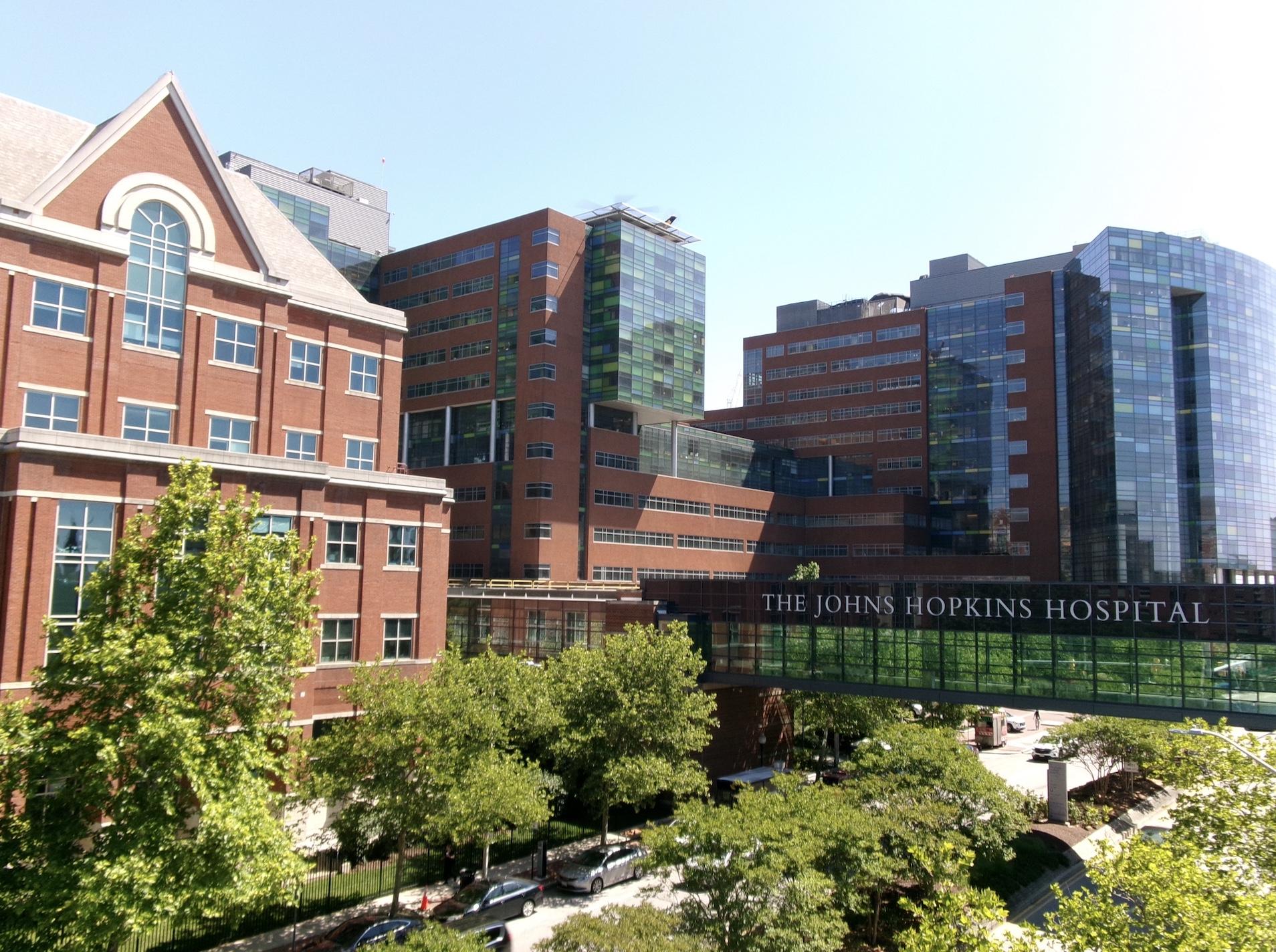
This summer I had the opportunity to serve as a Clinical Research Intern at Johns Hopkins Medicine, specifically the Department of Neuroscience and Neurosurgery. Through the Stroke Cognitive and Outcomes Recovery Lab, I studied post-stroke aphasia and evaluated if automatic speech recognition (ASR) could replace human transcription in clinical language analysis. Being at the core of healthcare innovation at one of the world’s most renowned hospitals, I was truly blessed with the opportunity to investigate the field of Artificial Intelligence in Medicine. I utilized machine learning to find exactly where speech technology fails the purpose it was built for, preparing research for publication. Improving patient care consisted of two halves: the first being diagnostic and the other being everything precision is unable to touch. Although commercialization, production, and innovation exist, a perfect diagnosis delivered inside a system that bankrupts the patient is not truly what medicine embodies. The second half of patient care is where my passion truly lies. That conviction pushed me to join researchers and policy makers at the Bloomberg School of Public Health, focusing on hospital financing, accountability, tax-exemption, and drug pricing. Through weekly discussions, panels, evaluating legislatures, and contributing to research methodology, I left with a stronger reaffirmation of my dream to become a physician-advocate in academic medicine.
Being filled with experiences from the clinical aspect and the macro-scale policy aspect, I truly was able to acquire numerous diverse perspectives on healthcare. However, one key lesson truly stayed with me from the Neuroscience Critical Care Unit. Following patients longitudinally, I watched individuals suffering at arguably the worst moment of their lives. Cognition altered. Motor function absent. Language locked behind the gate. I could not avoid the question their families were pondering without saying aloud: is a life like this still worth living? I had assumed medicine answered that with treatment. It does not. When a cure is unavailable the work becomes harder. Medicine exists to protect the possibility of happiness a person once had, and promises a chance to reexperience the feelings in a different form once again.
I used to hear "worldwide leadership and service" as a measure of distance, something you did far from home. This summer modified my perspective. A transcription model that fails a patient in one location does not stay in that location. It ships. It scales. One blind spot becomes everyone's the moment the code is adopted. Leadership is catching that failure before it travels. Service is what's left after the treatment ends and the algorithm has nothing more to offer: returning to the same bedside for weeks, waiting out the forty seconds it takes a woman to find one word, and deciding that word was worth the wait. Service was never the thing I would do somewhere far away. It is the choice to keep showing up everyday for humanity through micro and macro approaches.
Abhi Raj (Senior, University Scholar)