

Dispatch from a Baylor Summer Fellow | Anna Corey
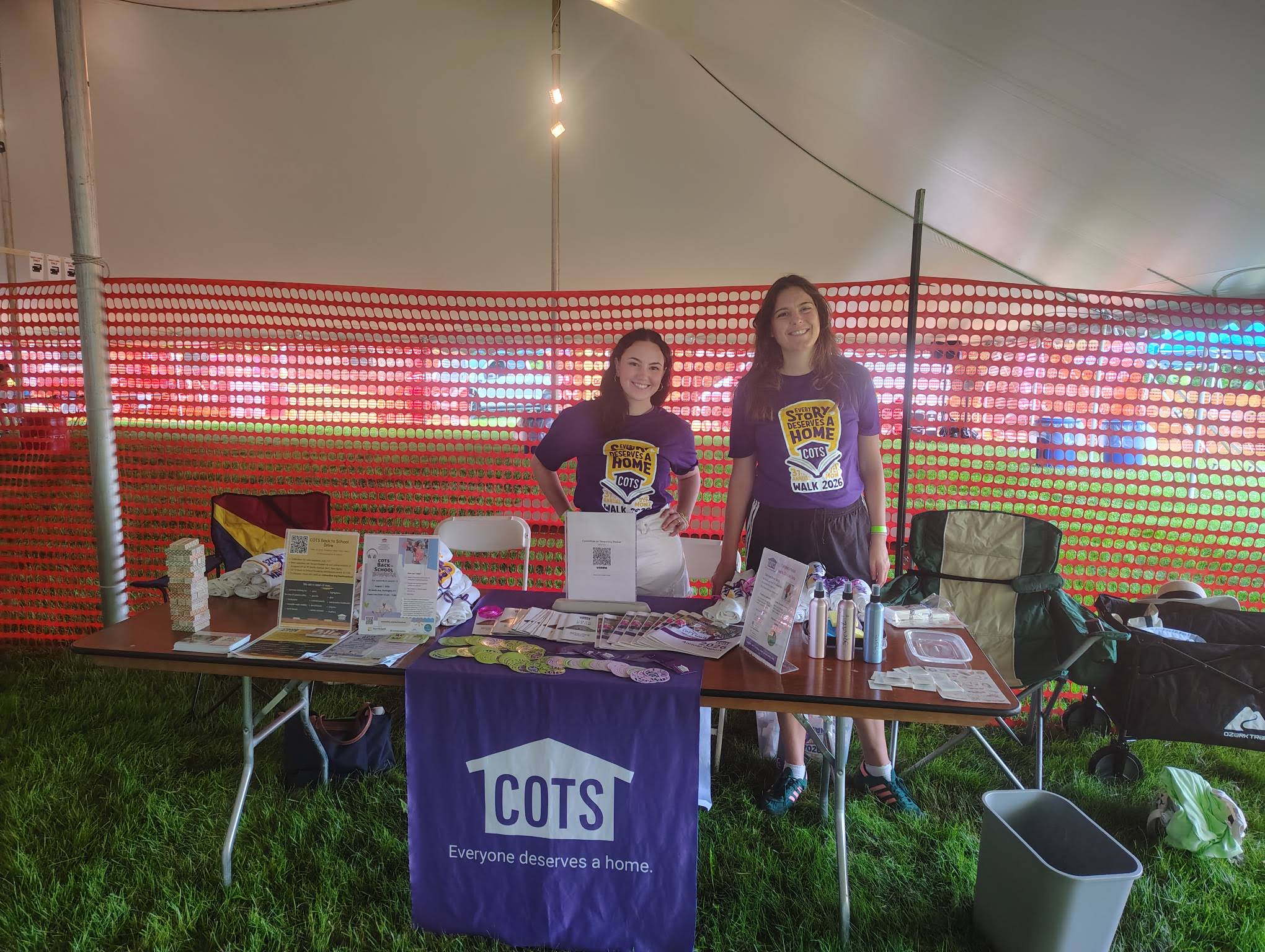
This summer I interned at COTS Daystation, an adult shelter in Burlington, Vermont, through the Shepherd Higher Education Consortium on Poverty (SHECP). I never knew what to expect when I walked into work each morning. My role was “shelter support staff”, which included responsibilities such as helping to prepare the free lunch we offer every day, helping clients with laundry and showers, connecting clients to the resources they are looking for around the area, and sometimes just acting as a listening ear to someone in need of a friend. COTS helped prepare me for worldwide leadership and service by reminding me to serve with humility and giving me the chance to experience the joys and challenges of front-line public service first hand.
It was both humbling and frustrating to have a glimpse into the day-to-day reality of homelessness. Working in the shelter, I met people in the darkest times of their lives. As someone with a passionate desire to make a difference, it was difficult to resist the impulse to try to fix everything for a client who was clearly in a bad place. Providing basic services sometimes felt mundane compared to case management or policy work, but I slowly realized how important the “less important” work really is. This internship allowed me to not only believe in the idea of but actually experience true community with a population that has been so neglected by our society. I often rode the bus with clients or saw them around town and they would almost always smile and say hi. It was distinctly unnerving to witness how poorly the homeless population was treated by wealthy locals and tourists – on multiple occasions, I witnessed people cross the street to avoid someone that I spent eight hours a day with. The work required radical neutrality and faith in a principle of basic human dignity. I had to learn it was not my place to evaluate, it was simply my responsibility to help – which meant treating everyone equally, even clients who had extremely morally troubling criminal histories.
In addition to cultivating humility, this internship also helped me develop my capacity for worldwide leadership by making me question why I felt called to do this work. I realized within my first few weeks in the shelter that successes were few and far between. Much more frequently, I witnessed failure, and those failures were hard – especially the repeated ones. I saw a client repeatedly arrested for the same offense, always swearing he had learned his lesson and then ending up arrested again a couple weeks later. I saw a client evicted from a house that COTS had helped him afford, and he had to start over the program from the beginning. I later learned that he had been through our program three times in the past.
As hard as the failures were, the successes made up for them many times over. A client came in just to tell us that he was nine years sober that day, and I’ll never forget the pride we all felt for him. Watching people finally find an apartment, or regain custody, or get a job interview was fulfilling in a way that served as a constant reminder of why all of the difficult days are worth it. I know the names, faces, and stories of the shelter will be etched in my memory for years to come; I can only hope they know they changed my life as much, if not more, than I could ever change theirs.
Anna Corey (Senior, University Scholar)