

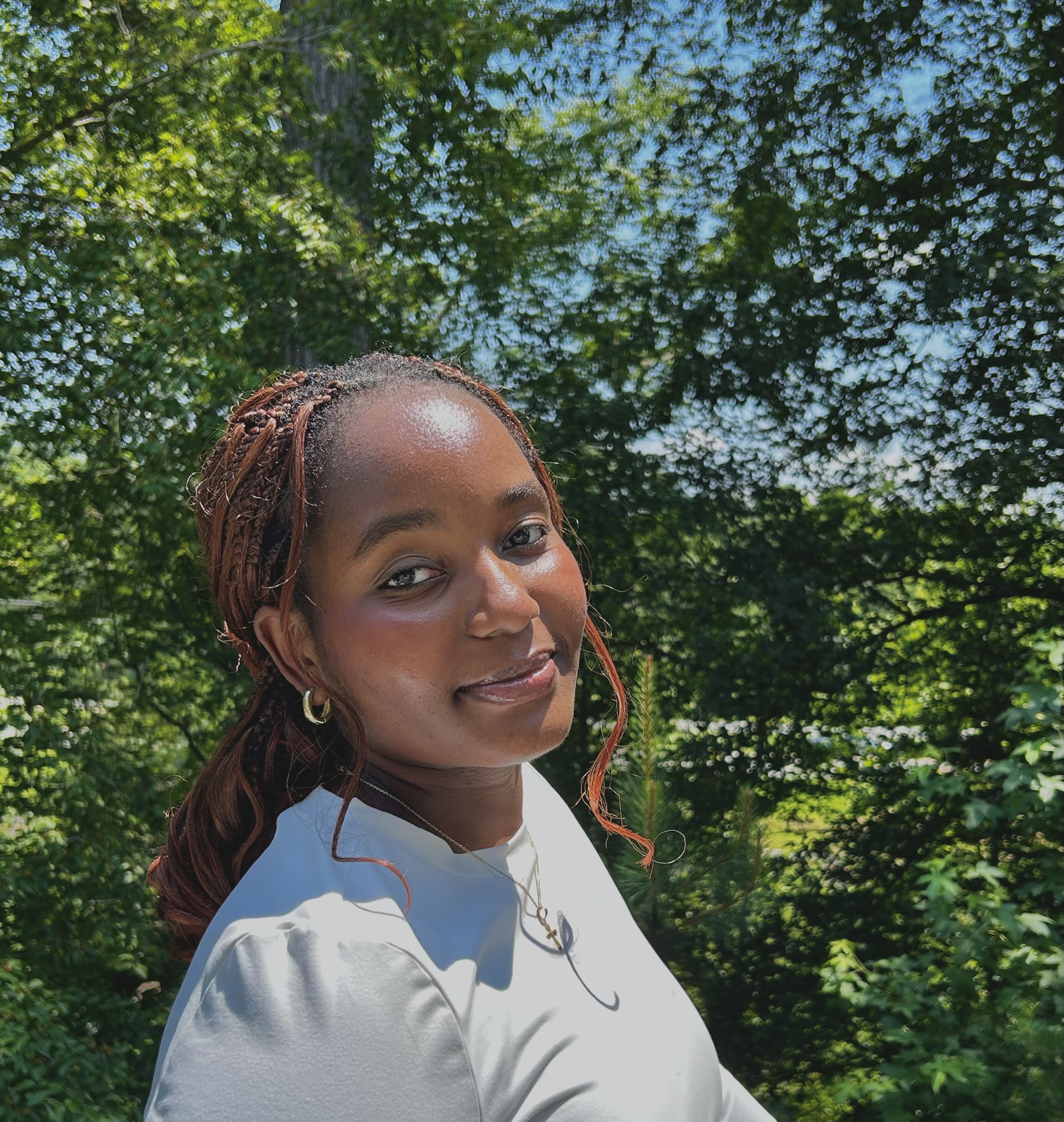
Dispatch from a Baylor Summer Fellow | Dami Ogunbiyi
WORLDWIDE LEADERSHIP BEGINS WITH EMPATHY
Where I lived during the summer, police cars were quite a common sight. They drove through our neighborhood quite often - every day, actually - and over time, that became so normal. Looking back, I realize that what I was witnessing wasn’t simply crime, but the visible effects of poverty. At the time, I never questioned why some neighborhoods seemed to have constant police presence while others did not. My internship at the Guilford County Public Defender’s Office finally gave me the opportunity to see the undiluted human stories behind those flashing lights.
When I started my internship, I approached every case with logic. If someone was in jail, I assumed they had made poor decisions and were simply reaping the consequences. However, as I worked alongside attorneys and interviewed clients, that belief changed quickly. Many of the people I met were represented by public defenders because they could not afford private attorneys. Others remained in jail for weeks or months because they could not afford their bond. For the first time, I found myself asking questions I never thought were relevant: If they had the financial resources to post bail, would they still be here today? What circumstances led them to this point?
As an economics student, I naturally began to notice a recurring pattern: poverty. Poverty was not just an individual hardship; it influenced people’s access to legal representation, employment, housing, education, and ultimately, as I came to realize, freedom. I began to observe a pattern between poverty and incarceration, where poverty increases the chances of entering the criminal justice system, while incarceration makes escaping poverty very difficult.
More importantly, this internship transformed how I think about leadership and service. Working with SHECP throughout the summer has helped me understand that leadership cannot exist without empathy. Being an empathetic intern meant realizing that a thin line exists between freedom and incarceration, and that economic hardship often determines which side of that line a person ends up. Empathy did not mean excusing criminal behavior; it meant recognizing the humanity of every client and understanding that people’s choices are often shaped by the opportunities they never had.
I often struggled with feeling powerless, thinking it unfair that I, a college student, was interviewing people whose lives had been shaped by years of hardship and systemic failure. Yet, I came to understand that meaningful change doesn’t always have to be dramatic. A genuine smile, patient listening, and carefully writing down a client’s testimony told them something important: people cared about them and were willing to advocate for them.
In conclusion, worldwide leadership begins by recognizing the humanity of the person standing in front of you and not treating them as a tally. My experience taught me that lasting change requires both economic understanding and compassion. As I continue my education and future career, I hope to carry that with me, constantly reminding myself that behind every statistic is a person whose story deserves to be heard.
Dami Ogunbyi (Senior, Economics)