

Future Communities Lab Launches as Baylor Initiative Supporting Congregations and Community Leadership
The Program for the Future Church relaunches as a university-wide effort through the Office of Engaged Learning and takes on a new name: the Future Communities Lab.
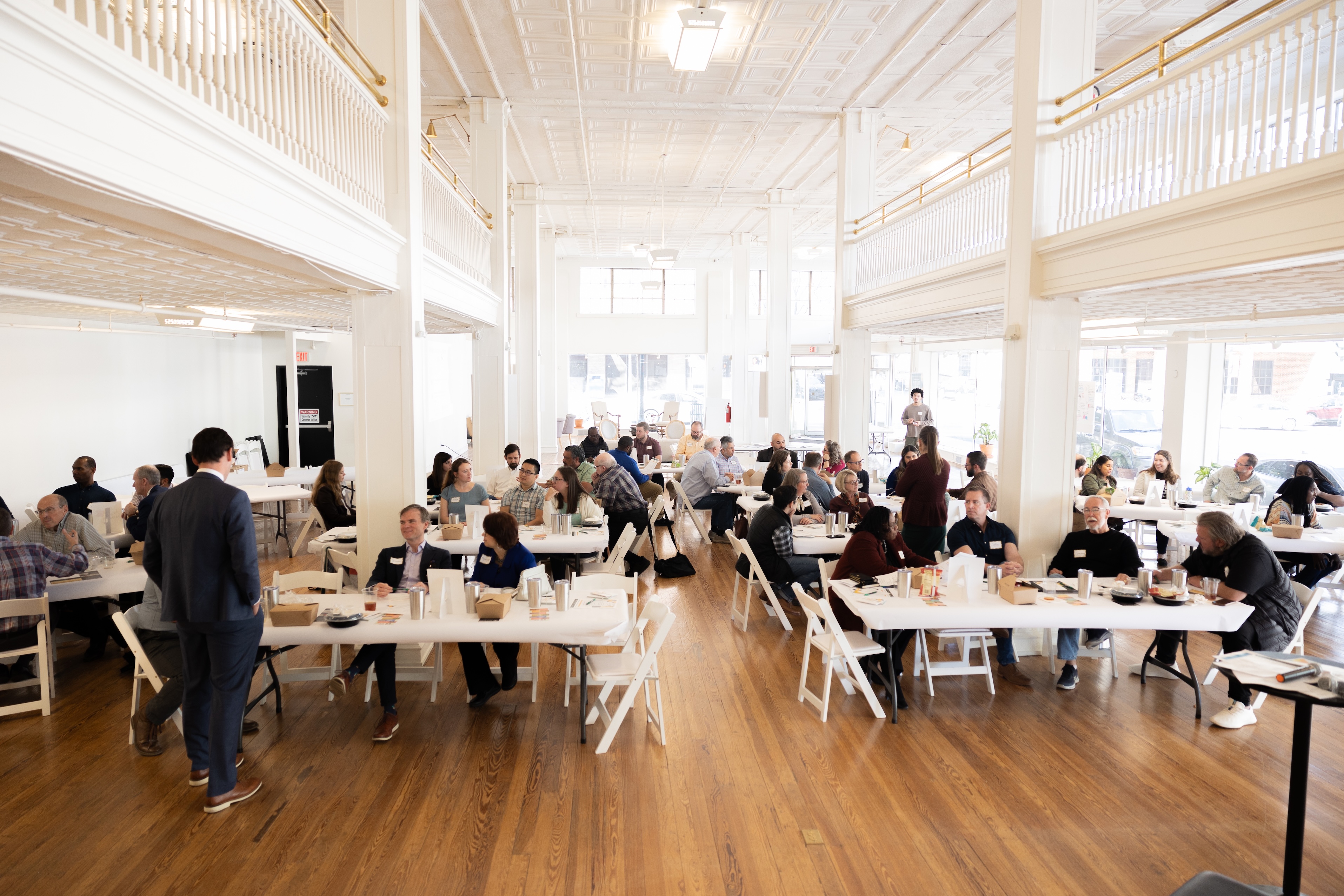
WACO, Texas — After four years of collaborative work focused on the flourishing of congregations and community leaders, Baylor University’s Program for the Future Church has relaunched under a new name: the Future Communities Lab. The transition reflects the initiative’s growth, its expanding reach across campus and community partners, and its new organizational home within Baylor’s Office of Engaged Learning.
Founded in 2020, the Program for the Future Church has served as a hub for contextual research, resource development, and convenings that bring together students, scholars, and practitioners. Its projects have explored themes such as belonging, leadership and loneliness, mental health, and innovation in congregational life. As the initiative’s work increasingly intersected with questions shared across nonprofit, university, and community contexts, relaunching as a university-wide effort under this new name provides pathways for ongoing service, scholarship, and leadership that contributes to Baylor’s Strategic Plan, Baylor in Deeds.
“The Future Communities Lab builds on everything we have learned over the past four years,” said Dustin Benac, Th.D., clinical assistant professor and director of the Future Communities Lab. “This name makes visible what has already been true in our work: congregations do not flourish in isolation. Their future is tied to the future of the communities around them, and this Lab creates space to explore that connection with greater depth.”
University leadership also affirmed the significance of the Lab’s connection to engaged learning. “As we endeavor at Baylor to educate our students for worldwide leadership and service, we must attend continually to the evolving realities of the world our students are preparing to lead and serve,” said Andy Hogue, Ph.D., associate dean for engaged learning. “Future flourishing summons from us something more than convention. This is what excites me most about the Future Communities Lab—an ecosystem of imagination, collaboration, and innovation for current and emerging leaders seeking to germinate a future where more of us can flourish.”
The relaunch highlights three ongoing commitments that remain central to the Lab’s work:
- Students: Undergraduate and graduate students will continue to play a key role through research opportunities, leadership development, and participation in collaborative projects.
- University partners: Now situated within the Office of Engaged Learning, the Lab will continue collaborating across academic units, drawing on the strengths of Truett Seminary, the College of Arts & Sciences, and colleagues throughout the Baylor community.
- Congregations and community leaders: Local pastors, nonprofit professionals, and community leaders will remain essential collaborators, shaping research questions and contributing practical insight.
Through these partnerships, the Future Communities Lab will continue to host convenings, develop curriculum, and produce contextual research and resources that supports leaders navigating the challenges and possibilities of contemporary community life.
“We are grateful for the students, colleagues, and community partners who have shaped this work from the beginning,” Benac said. “This next chapter invites us to keep learning together and to imagine a hopeful future for both our churches and our communities.”
For updates on how to get involved in this work, sign up for the Future Communities Fieldnotes.